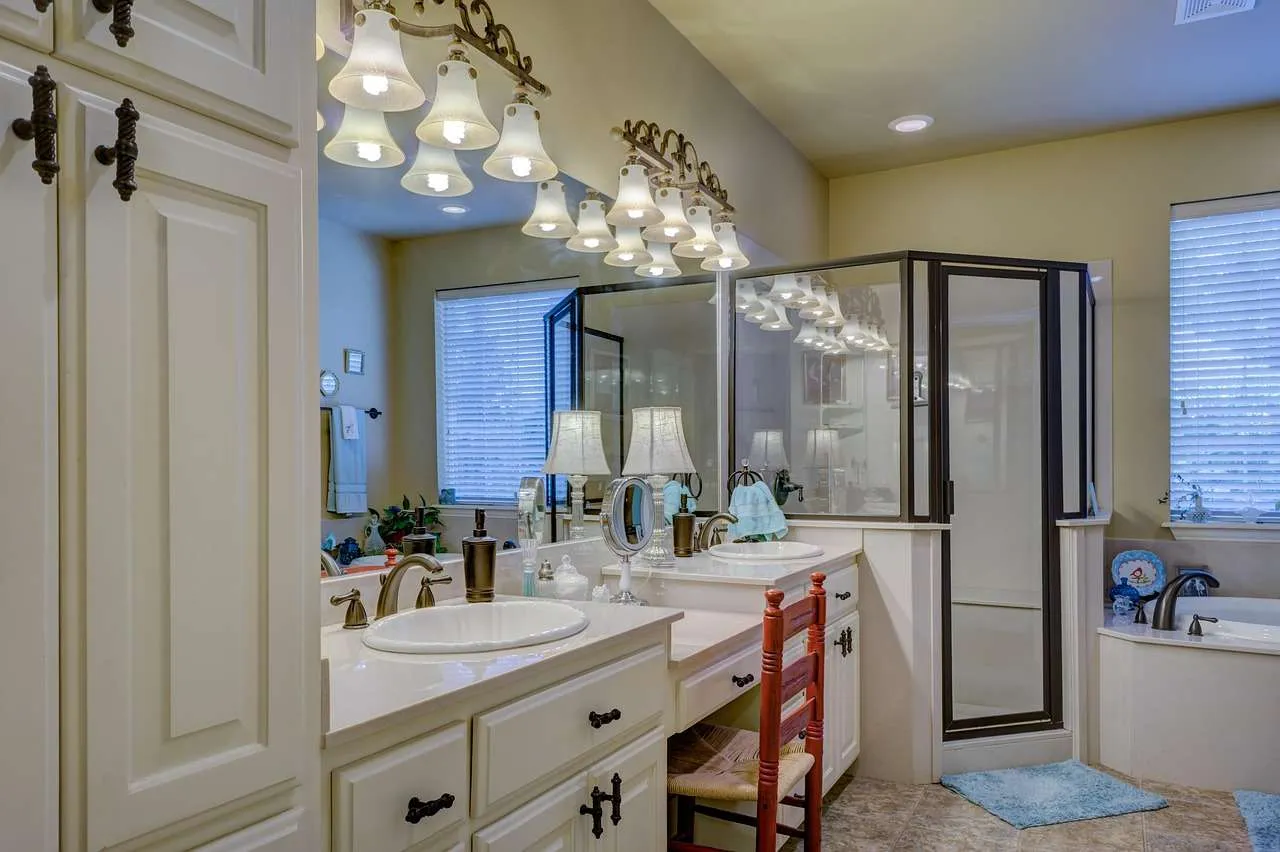
Small bathrooms pose design challenges, but they also offer an opportunity to rethink how we use every inch of space. With the right strategy, even the smallest space can feel open, functional, and stylish. This guide, informed by practical experience in compact renovations, covers layout, lighting, finishes, and storage to deliver real EEAT for homeowners and designers alike.
Smart Layouts for Small Bathrooms
Start with precise measurements and a clear plan for doors, plumbing, and clearances. In most cases, prioritizing a walk-in shower over a tub creates more usable space and a roomier feel. Consider a pocket or sliding door to eliminate swing space that can make the room feel smaller.
Key layout principles include:
- Place the shower or tub along the longest wall to maximize floor area remaining for a vanity and toilet.
- Use wall mounted or backless fixtures to keep sightlines clean and open.
- Keep the vanity compact with a floating design to create a visual sense of space and easier cleaning.
Colors, Materials, and Lighting
Light colors reflect more light. A glass shower enclosure or large-format tiles reduce visual breaks and echo light. Layer lighting with a central ceiling fixture, task lighting around the mirror, and a dimmable option for relaxation and privacy.
Material choices matter for durability and upkeep. Porcelain or ceramic tiles with large formats reduce grout lines, while a quartz vanity top resists moisture and staining. Choose slip resistant flooring for safety without sacrificing style.
Storage Solutions That Save Space
In small bathrooms, clever storage must be both accessible and unobtrusive. Wall mounted cabinets, recessed niches in the shower, and a floating vanity provide storage without crowding the floor.
Practical ideas:
- Install a recessed medicine cabinet over the sink for daily essentials.
- Use corner shelves or a corner vanity to maximize underused corners.
- Opt for a tall, slim storage tower that fits between fixtures or beside the toilet.
Fixtures and Fittings That Free Up Space
Choose compact, efficient fixtures. A wall-hung toilet with a hidden tank can dramatically improve sightlines. A pedestal sink or a slim console sink with integrated storage keeps the area open. For showers, a curved or neo-angle enclosure can shrink the visual footprint, and a clear glass door preserves light flow.
Budgeting, Planning, and Maintenance
Define a realistic budget and sequence tasks so you minimize disruption. Start with essential plumbing and waterproofing, then invest in durable, easy to clean finishes. Schedule professional help for wiring, plumbing, and sealing, and maintain surfaces with routine mild cleaners to preserve brightness and prevent mildew.
Real-World Examples
Case studies show that even 5 by 7 foot baths can feel twice as large with strategies like continuous tile runs, large formats, and a single focal mirror. A well-chosen glass shower, neutral palette, and floating vanity create an airy feel while delivering all needed functions.
Comparison of Storage Options
| Option | Pros | Cons |
|---|---|---|
| Recessed niches | Maximizes wall space, reduces clutter | Requires precise install and waterproofing |
| Medicine cabinet | Front-facing storage for daily items | Limited depth |
| Floating vanity | Creates air space and easier cleaning | Less counter space |
| Corner shelves | Utilizes corners without crowding | Limited weight capacity |
Summary: By combining precise layout planning, thoughtful storage, light colors, and durable materials, you can turn a small bathroom into a functional, stylish space that feels larger than its footprint.